NEW: Outsource your home search with Rentbird Plus!
Back to all tips

5 housing red flags every renter in the Netherlands should know

1 year ago
6 minutes reading time
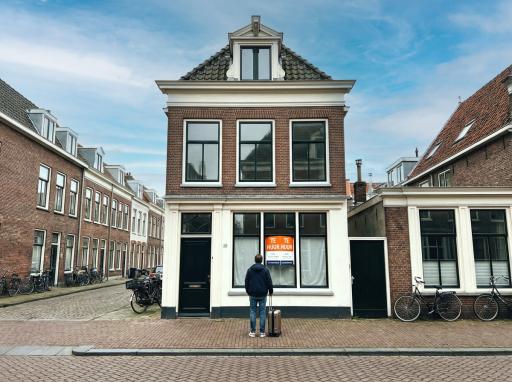
A red flag on the left, the Dutch flag on the right, and a tear down the middle between them

In today’s competitive market, finding a rental home that fits your needs in the Netherlands can sometimes feel like winning the lottery. With demand at an all-time high and listings disappearing before you even have a chance to respond, many prospective renters feel pressured to act quickly. But in a rush, it’s easy to overlook details that could turn your dream home into a living nightmare. 

Here are five hidden red flags to watch for before you sign that lease! 

1. The price seems too good to be true

If an apartment is significantly cheaper than similar listings in the same area, be cautious. While good deals do exist, below-market prices, especially in cities known for being expensive like Amsterdam and Utrecht, could indicate issues such as: 

  • Rental scams: Scammers post fake listings to collect deposits and disappear. If a “landlord” refuses to meet in person or insists on an upfront payment before a viewing, run far away.
  • Unregistered rentals: Some landlords rent out properties illegally, which can create problems when trying to register your address (mandatory for obtaining a BSN number). Some renters may even be illegally subletting their own home without their landlord’s knowledge.
  • Hidden defects: There could be serious maintenance issues like poor insulation, dampness, or even structural problems.

Tip: Compare prices using rental platforms like Rentbird, and always try to visit in person before committing. If you can’t see the rental IRL, ask for a real-time virtual viewing over FaceTime or WhatsApp so you can feel more secure.

2. The lease terms are vague or unfair

Dutch rental contracts can vary, but an unclear or one-sided lease can be a major issue. Look out for: 

  • Short-stay contracts: Some landlords offer “temporary” contracts that leave you without tenant protections after a few months.
  • Excessive service costs: Make sure utilities, maintenance, and other fees are clearly outlined. Unexplained monthly costs could be a sign you’re overpaying.
  • Unusual deposit demands: Dutch law allows for a deposit of up to three month’s rent, excluding utilities. Some places will only ask for one or two. Never hand over a deposit before the contract is signed.

Tip: Review rental agreements carefully and check your tenant rights on expert sites like Juridisch Loket. If anything seems off, don’t hesitate to ask for clarification or legal advice.

3. The house is ‘unfurnished’
 but what does that actually mean?

Dutch rental listings typically fall into three categories: unfurnished (kaal), semi-furnished (gestoffeerd), and fully furnished (gemeubileerd). But these terms can be misleading: 

  • ‘Unfurnished’ may mean completely bare—no flooring, curtains, insulation, or even light fixtures! Kaal means ‘shell’ in Dutch, which makes sense here!
  • ‘Semi-furnished’ often includes flooring and curtains but not appliances, although some landlords will have bulky kitchen equipment like ovens included from previous tenants.
  • ‘Furnished’ should mean fully equipped, but some landlords stretch the definition (a bed and chair doesn’t make a place fully livable).

A rental being listed as ‘unfurnished’ doesn’t necessarily mean it’s a red flag, but sneaky wording and unclear listings can definitely ring alarm bells.
 
Tip: Always clarify what’s included and ask for a full inventory list before signing the lease.

4. You can’t officially register at the address

Registration with the municipality (gemeente) is mandatory when moving to the Netherlands. If a landlord refuses to let you register at the address, it could mean:

  • The property is rented illegally.
  • The landlord is avoiding taxes.
  • Multiple tenants are unknowingly sharing a single registration slot.

If you can’t register, you can’t get a BSN number, which affects your ability to work, open a bank account, or access healthcare.
 
Tip: If a landlord refuses registration, walk away. Not only is it shady, but it may possibly be illegal. No rental is worth the legal and administrative headaches that come with it.

5. Poor insulation and high energy costs

Dutch winters can be cold, and bad insulation means sky-high energy bills. Older buildings, particularly in Amsterdam and The Hague, often have:

  • Single-pane windows that let in cold air.
  • Poor heating systems, making it costly to keep warm.
  • Damp and mold issues, which can impact your health.

Tip: Check for double-glazed windows, ask for the property’s energy label, and factor in heating costs when budgeting. A cheap apartment with bad insulation can cost more in the long run. 

Remember that unfurnished or ‘kaal’ rentals may not have insulation included as standard, which is another cost to factor in.

Find houses without red flags

The Dutch rental market moves fast, but taking a moment to check for red flags can save you from major headaches. Have you been caught out by any of these issues?

If you’re struggling to keep up with the property search, don’t rush into a place just because it’s available! Our AI-powered search bots can help you stay ahead of the competition by sending alerts the second a new rental becomes available. Get real-time updates on new listings that match your criteria, so you never miss out on the perfect home.

Try Rentbird today and find your Dutch dream home without the nightmares! 

QA Test Author
Test Author

Related tips

Finding a rental in the Netherlands is extremely competitive.
14 minutes reading time

Why finding rental properties in the Netherlands is so hard (and what you can do about it)

 
Anyone who’s ever rented (or tried to rent) in the Netherlands knows one thing: the competition can be extreme.

It can be tough to even find listings for properties you like that you can actually afford. And when (or if) you do? You could easily be competing with as many as 200 people to even get a viewing. 

Often, this means that you spend far too much time glued to Funda and obsessively checking for messages from prospective landlords. And when that doesn’t work, you might well end up settling for a place that you know you don’t really want, in an area you don’t like or that you know you’ll struggle to afford. 

Because (of course), you’ve got to live somewhere. 

Here’s the thing: renting is hard, and extremely competitive, but it is possible to find a place you love, without your property search becoming a full-time job.

In this blog, we’ll look at:

  1. Why renting is so competitive in the Netherlands
  2. What this means for renters 
  3. How to find a property you actually want to live in (relatively stress-free)
Back to all tips

Find your new rental property in no-time!

4.7