NEW: Outsource your home search with Rentbird Plus!
Back to all tips

Rental Housing News: Everything You Need To Know (Week 5)

1 year ago
7 minutes reading time
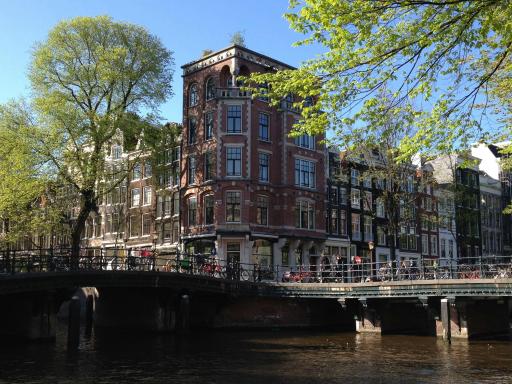
House and bridge in Amsterdam.

Here's your weekly update to the Dutch rental market!

The Dutch rental market is experiencing major shifts in early 2025, with new regulations, changing buyer demographics, and international trends shaping the landscape. Whether you’re a Dutch resident, an expat, or someone considering moving to the Netherlands, staying informed is crucial. This week’s key developments will provide insights into first-time buyer activity, stricter rental enforcement, and even the growing trend of Dutch remote workers heading to Cape Town.

1. First-Time Buyers Seizing Opportunities as Landlords Exit

The Dutch housing market is seeing a surge in first-time buyers, as landlords and small investors sell off properties, particularly in major cities such as Amsterdam, Utrecht, and Eindhoven. New figures from nltimes.nl reveal that in 2024, a total of 206,500 homes were sold, marking a 13% increase from 2023. The final quarter of 2024 was especially active, with nearly 60,000 transactions—the highest since 2020, according to DutchNews.

This shift has largely been driven by regulatory changes, including stricter rental controls and higher taxes, making buy-to-let investments less attractive. As landlords offload properties, first-time buyers have jumped in, now accounting for nearly 47% of all home purchases in the last quarter of 2024—up from 43.5% the previous year.

In key urban centres, first-time buyer activity is even more pronounced. In Amsterdam, Eindhoven, and Utrecht, they made up over 60% of transactions, with Amsterdam leading at 67%. This trend presents a unique opportunity for those looking to enter the housing market, particularly as investors sell off smaller, more affordable apartments.

2. Rising Home Prices—But With Regional Variations

While the increase in first-time buyer activity is promising, affordability remains a challenge. The average Dutch home price rose to €462,000 in Q4 2024, up from €423,000 a year earlier. However, price trends varied:

• In the big four cities (Amsterdam, Rotterdam, Utrecht, and The Hague), first-time buyers paid an average of €444,000, while repeat buyers paid €645,000.

• Across the Netherlands, first-time buyers paid an average of €360,000, up 9% from 2023.

• The sharpest price hikes occurred in more expensive municipalities, where homes over €550,000 saw nearly 15% annual price growth.

Despite these increases, the greater availability of affordable homes due to investor sell-offs means that first-time buyers are finding more options than in previous years.

3. Amsterdam Cracks Down on Exploitative Landlords

New rental laws introduced on 1 January 2025 have given municipalities direct power to enforce rent controls and crack down on abusive landlord practices. Amsterdam has responded by doubling its team dedicated to investigating cases of overcharging, intimidation, and discrimination, according to Dutch News.

Previously, tenants had to take disputes to a housing tribunal. Now, municipal authorities can fine landlords up to €87,000 for repeated violations. This includes:

• Charging rents above regulated levels

• Illegally profiting from service charges

• Locking tenants into unfair contracts

The new enforcement measures aim to protect vulnerable renters, particularly international tenants, who are often targeted by landlords exploiting their lack of knowledge of Dutch rental laws. “We see that during a housing crisis, rental rights are under enormous pressure,” said Amsterdam’s head of housing, Zita Pels.

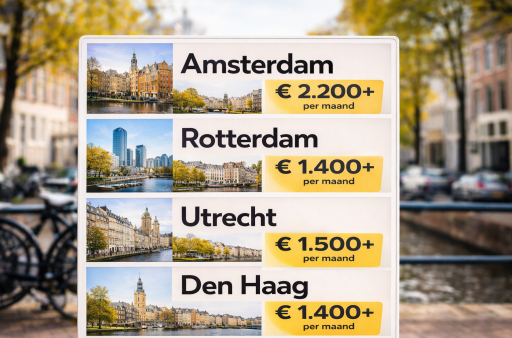
This push for stricter regulation comes as Dutch rental prices remain among the highest in Europe. Under the new rent control system, properties up to 143 points (based on size, amenities, and location) should have a maximum rent of €880 per month. Yet, many landlords continue to charge well above this, especially for international renters unaware of their rights.

The city has urged all tenants—both Dutch and expat—to check whether their rent is legally justified and report abuses to enforcement teams or tenant support groups like Woon Foundation.
4. Dutch Workers Fleeing Winter for Cape Town

While many are struggling with rising housing costs in the Netherlands, some remote workers are choosing a different solution: leaving altogether. Cape Town has become a top destination for Dutch digital nomads looking to escape the cold and high cost of living, according to iamexpat.com.

Between January and March 2024, over 37,000 Dutch residents visited Cape Town, a 10% increase from the previous year. Many of them are remote workers drawn to the city’s lower living costs, warm climate, and similar time zone.

“You can live a five-star life for a three-star budget,” said Dutch guest house owner Emmelie Steentjes, noting that everyday expenses in South Africa are about half the price of the Netherlands.

However, this influx of wealthier foreign workers has also driven up housing costs for locals. Similar to what has happened in Amsterdam and other Dutch cities, Cape Town is experiencing a rental price surge, making it harder for local residents to afford housing. Critics are calling on Cape Town’s municipality to develop more social housing and limit Airbnbs, which are often used by short-term expats and digital nomads.

5. What This Means for Expats in the Netherlands

For those currently renting or considering moving to the Netherlands, here’s what you need to know:

  • More homes are becoming available for purchase as landlords exit the market. If you’re looking to buy, this could be the right time—especially in cities where first-time buyers are dominating.

  • Renters now have more protection under the new 2025 rental enforcement laws. If you’re being overcharged or facing unfair treatment, you can report it directly to the municipality instead of going through lengthy legal battles.

  • Housing affordability remains a challenge, but price growth is slowing in some areas due to increased supply.

  • Some expats and remote workers are choosing to leave the Netherlands for warmer, cheaper destinations like Cape Town. This may mean that more properties become available in desirable areas.

Final Thoughts

The Dutch rental market is at a turning point, with stricter regulations forcing landlords to sell, first-time buyers gaining ground, and international trends affecting both renters and property owners. 

Whether you’re planning to rent, buy, or even relocate, staying informed is key.
For renters, knowing your rights is more important than ever. If you’re unsure about your contract, seek advice from organizations. For buyers, the shift in the market may present opportunities to enter at a more affordable level.

As 2025 unfolds, expect further changes in both rental enforcement and housing availability!

QA Test Author
Test Author

Related tips

Finding a rental in the Netherlands is extremely competitive.
14 minutes reading time

Why finding rental properties in the Netherlands is so hard (and what you can do about it)

 
Anyone who’s ever rented (or tried to rent) in the Netherlands knows one thing: the competition can be extreme.

It can be tough to even find listings for properties you like that you can actually afford. And when (or if) you do? You could easily be competing with as many as 200 people to even get a viewing. 

Often, this means that you spend far too much time glued to Funda and obsessively checking for messages from prospective landlords. And when that doesn’t work, you might well end up settling for a place that you know you don’t really want, in an area you don’t like or that you know you’ll struggle to afford. 

Because (of course), you’ve got to live somewhere. 

Here’s the thing: renting is hard, and extremely competitive, but it is possible to find a place you love, without your property search becoming a full-time job.

In this blog, we’ll look at:

  1. Why renting is so competitive in the Netherlands
  2. What this means for renters 
  3. How to find a property you actually want to live in (relatively stress-free)

Back to all tips

Find your new rental property in no-time!

4.7