NEW: Outsource your home search with Rentbird Plus!
Back to all tips

Rental Housing News: Everything You Need To Know (Week 8)

1 year ago
4 minutes reading time
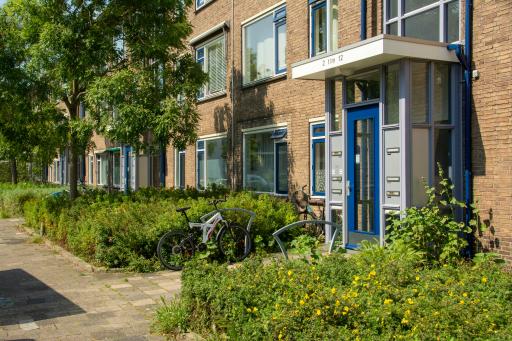
Dutch apartment facade with bicycles and greenery out in front.

Welcome back to the Rentbird blog, where we’ll be breaking down the biggest rental news from the end of February before we head into March! The Dutch housing market remains as competitive as ever, with home prices rising sharply in January and first-time buyers facing increasing financial barriers. Here’s a breakdown of the latest developments.

Home Prices Up 11.5% in January

The cost of an existing owner-occupied home in the Netherlands was 11.5% higher in January 2025 than the same month last year, according to Statistics Netherlands (CBS) and the Land Registry. The average transaction price reached €474,534, reflecting the ongoing trend of rising property values.

In December 2024, home prices had already risen nearly 11%, and over the course of last year, prices increased by 8.7%. Compared to December, homes became 1.6% more expensive in January.

These price hikes continue despite previous market fluctuations. After peaking in July 2022, home values declined for nearly a year before rebounding in mid-2023. As of January, prices are now 9.4% higher than the previous peak in 2022.

The tight housing supply is a key driver of rising costs. The number of homes changing hands jumped 24% year-over-year, with 17,907 transactions recorded in January alone. Increased borrowing capacity—driven by higher salaries and slightly lower mortgage interest rates—has further fueled demand.

The €91,000 Problem: First-Time Buyers Struggling More Than Ever

For first-time buyers, the dream of homeownership is becoming increasingly out of reach. New research from mortgage provider Munt Hypotheken shows that first-time buyers under 35 now need to contribute an average of €91,000 in personal savings when purchasing a home.

This amount is nearly three times higher than the €35,000 that buyers needed in 2017. Rising property values and stricter lending standards mean that buyers without family financial support or significant savings are often unable to enter the market.

At the end of 2024, the average Dutch home price was €483,000. With prices expected to rise another 7.5% in 2025, the average home could cost €520,000 by the end of the year.

Meanwhile, a report from Calcasa found that a homebuyer hoping to secure a mortgage without any upfront investment would need to earn at least €95,000 per year—more than double the average Dutch income of €44,000.

Who Can Still Afford to Buy?

  • First-time buyers: Now typically in their thirties, with a decade of savings or financial help from family.

  • Existing homeowners: Those moving up the property ladder have an average of €203,000 in equity, thanks to a 75% price increase over the last eight years.

  • High-income earners: With mortgage rules tightening, buyers without large savings need exceptionally high salaries to qualify for loans.

Housing Supply Still Failing to Meet Demand

Experts continue to stress that building more homes is the only way to ease pressure on the housing market. The Dutch government aims to construct 100,000 new homes per year, but this target remains out of reach. The Ministry of Housing and Spatial Planning now expects that the country won’t meet this goal until at least 2027.

The Takeaway

  • Home prices are expected to keep rising throughout 2025.

  • Affordability challenges for first-time buyers will likely worsen, especially as mortgage rules remain strict.

  • Housing shortages will persist, unless construction efforts ramp up significantly.


For now, the Dutch housing market remains highly competitive, expensive, and difficult to enter for those without substantial financial backing.

QA Test Author
Test Author

Related tips

Finding a rental in the Netherlands is extremely competitive.
14 minutes reading time

Why finding rental properties in the Netherlands is so hard (and what you can do about it)

 
Anyone who’s ever rented (or tried to rent) in the Netherlands knows one thing: the competition can be extreme.

It can be tough to even find listings for properties you like that you can actually afford. And when (or if) you do? You could easily be competing with as many as 200 people to even get a viewing. 

Often, this means that you spend far too much time glued to Funda and obsessively checking for messages from prospective landlords. And when that doesn’t work, you might well end up settling for a place that you know you don’t really want, in an area you don’t like or that you know you’ll struggle to afford. 

Because (of course), you’ve got to live somewhere. 

Here’s the thing: renting is hard, and extremely competitive, but it is possible to find a place you love, without your property search becoming a full-time job.

In this blog, we’ll look at:

  1. Why renting is so competitive in the Netherlands
  2. What this means for renters 
  3. How to find a property you actually want to live in (relatively stress-free)
Back to all tips

Find your new rental property in no-time!

4.7