NEW: Outsource your home search with Rentbird Plus!
Back to all tips

Why is it so hard to rent a room in the Netherlands?

1 year ago
6 minutes reading time
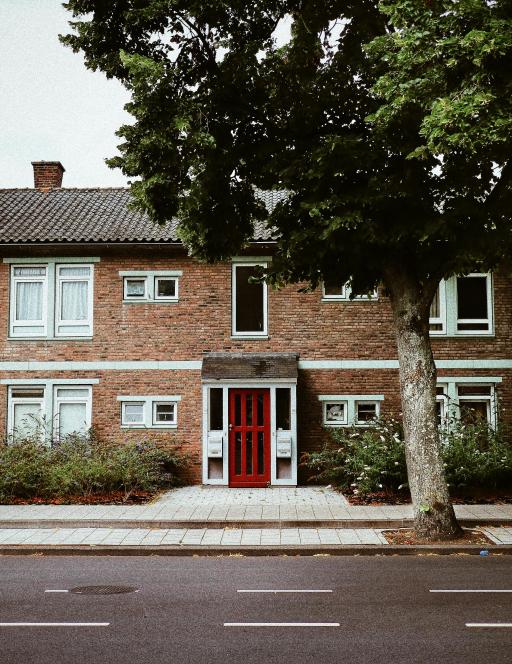
A row of brown brick houses with a red door and a tree outside on the pavement.

If you’re planning a move to the Netherlands – for work, study, or just a new adventure – you’ve probably already heard warnings about how tough the Dutch rental market can be (we’ve seen the Reddit threads, too). And, well… it’s true. We hate to admit it, and renting in the Netherlands definitely isn’t impossible, but it can feel overwhelming, especially if you’re an expat navigating unfamiliar real estate laws, housing types, and contracts.

So, why is it so difficult to rent a room here? And what can you do to improve your chances? Let’s break it down with a few practical rental tips Netherlands newcomers wish they knew sooner.

The Dutch rental market is squeezed

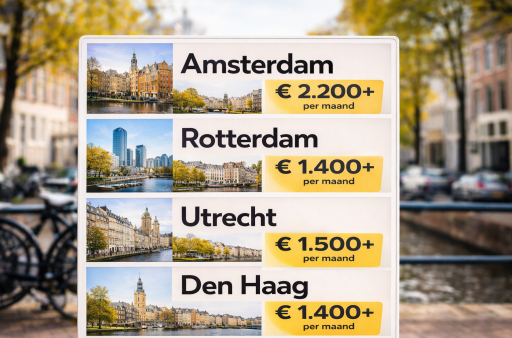
One of the biggest issues is simple: there just aren’t enough rental properties to meet demand. This is especially true in major cities like Amsterdam, Utrecht, Rotterdam, and The Hague, where expats, students, and locals alike are all searching for the same limited supply of homes.

Social housing exists, but it’s mostly for Dutch citizens and long-term residents on lower incomes, and the waiting lists are continuing to grow. That means most internationals turn to the private rental sector, where rental prices have been climbing steadily. Rooms and studios, once considered more affordable, are now seeing monthly rent well above €800 in popular areas. There are rent caps that are set based on a points system, which your landlord should make you aware of to make sure you’re not overpaying, but that doesn’t mean that some don’t try to get around it, or that rent is cheap, by any means.

The trend of landlords selling their rental properties is continuing well into 2025, according to DutchNews. This almost 13% shrink in supply is making the properties already available feel extra hard to get.

Add to that a growing population, tighter regulations, and property owners being cautious due to changes in real estate laws, and you’ve got a perfect storm of competition.

Short-term & long-term lets

Since July 2024, short-term rentals in the Netherlands are strictly limited to a maximum of six months, and they’re legally only meant for people staying temporarily, like students or expats on short assignments.

But many landlords now favor this model. Why? Short-stays are exempt from rent protection, allowing owners to charge premium prices with fewer obligations. In fact, after the law came into effect, listings for “expats only” short-stay rentals spiked by 45%.

These homes are often furnished, include utilities, and sound convenient — but they don’t offer long-term stability or tenant protections. Once your contract ends, you’ll have to leave or renegotiate from scratch.

Short-term can work as a landing pad while you settle in, but always read the fine print: Can you register at the address? Are utilities truly included? What are the deposit terms? The flexibility is helpful, but it comes with trade-offs.

Want to read more about this? Read our full blog post about short vs. long term rentals below:

Agents, brokers, and the fine print

Navigating rental websites and messaging landlords in Dutch is one thing. But once you get to the actual lease, you’re often dealing with a real estate agent or estate agent who may or may not be fully transparent about your rights (or any sneaky fees).

In the Netherlands, real estate transactions, including rentals, can involve real estate brokers or even a real estate salesperson representing the landlord. But you should never be charged mediation fees as a tenant if the agent is working for the landlord — this is against the law. Still, some agencies try to sneak in additional costs under vague terms, so always read carefully.

You don’t need a real estate license to rent in the Netherlands, but working with someone reputable, or avoiding middlemen entirely, can make a huge difference.

So… buy or rent?

Some expats consider skipping the headache and diving into the housing market to buy or sell instead. While this works for long-term residents or those with Dutch partners, it’s not always the best idea if you’re new, unsure of your timeline, or unfamiliar with real estate norms here.

And again, demand is high: so whether you’re buying or renting, it’s important to act quickly, know your budget, and get ahead of the crowd.

What can you do about it?

All of this may sound like a lot. But don’t panic! Thousands of people find great places to live here every year. The key is to be informed, flexible, and prepared. That means knowing what kind of lease you’re signing, understanding what’s allowed under Dutch law, and (most importantly) hearing about new rental properties the moment they go live! Which brings us to our solution…

Let Rentbird help you find your rental faster!

If you’re just arriving, you might be in temporary accommodation or couch-surfing — and the stress of refreshing 30 different housing websites definitely won't help. That’s exactly why we created Rentbird.

We scan over 1,400 rental websites 24/7 with smart AI bots, so you don’t have to. As soon as a new listing appears that matches your preferences, you get a real-time alert, meaning you’re always ahead of the crowd.

Whether you’re looking for a long-term home or a starter flat to get you settled, Rentbird can help you find it faster — without missing out on great options hidden in the flood of listings.

Because once you’ve landed the job, sorted the move, and figured out how to get that all-important BSN number… finding a home shouldn’t be the hardest part.

Ready to make your Dutch move smoother?

Try Rentbird today and get a head start on your new home in the Netherlands!
QA Test Author
Test Author

Related tips

Finding a rental in the Netherlands is extremely competitive.
14 minutes reading time

Why finding rental properties in the Netherlands is so hard (and what you can do about it)

 
Anyone who’s ever rented (or tried to rent) in the Netherlands knows one thing: the competition can be extreme.

It can be tough to even find listings for properties you like that you can actually afford. And when (or if) you do? You could easily be competing with as many as 200 people to even get a viewing. 

Often, this means that you spend far too much time glued to Funda and obsessively checking for messages from prospective landlords. And when that doesn’t work, you might well end up settling for a place that you know you don’t really want, in an area you don’t like or that you know you’ll struggle to afford. 

Because (of course), you’ve got to live somewhere. 

Here’s the thing: renting is hard, and extremely competitive, but it is possible to find a place you love, without your property search becoming a full-time job.

In this blog, we’ll look at:

  1. Why renting is so competitive in the Netherlands
  2. What this means for renters 
  3. How to find a property you actually want to live in (relatively stress-free)

Back to all tips

Find your new rental property in no-time!

4.7